What to Look For When Choosing a Laser Training Academy
Not all laser training is created equal. The market for aesthetics education has grown rapidly, and with that growth has come significant variation in quality — from fully accredited, clinically grounded programmes to short CPD courses that leave students underprepared and underqualified.
Choosing the right academy is one of the most important decisions you'll make in your laser career. Here's what to look for — and the questions worth asking before you commit.
1. Is the qualification Ofqual-regulated?
This is the single most important question. An Ofqual-regulated qualification sits on the UK Regulated Qualifications Framework (RQF) and is recognised by insurers, local authorities, and employers. A VTCT Level 4 qualification meets this standard. A CPD certificate or a brand-accredited award does not.
Always check: is the academy an approved VTCT centre? You can verify this directly with VTCT using the centre's approval number.
2. Do they train in a real clinical environment?
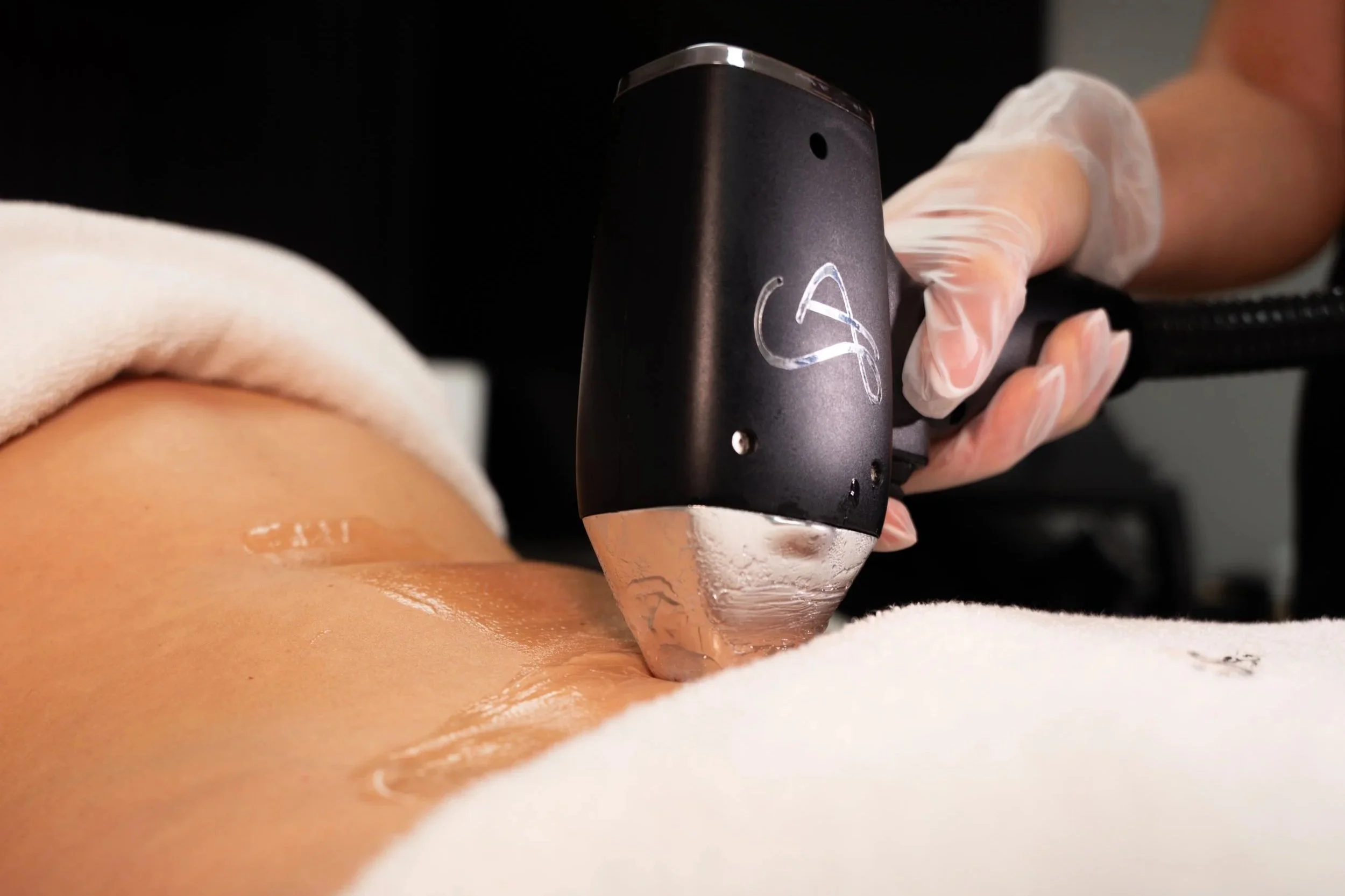
There's a significant difference between training in a dedicated classroom with a demonstration machine, and training in an active, fully operational laser clinic. The latter gives you exposure to real client dynamics, real equipment workflows, and the day-to-day realities of clinic life.
The Laser Base Training Academy delivers training from our operational clinics in Harrogate and Manchester. Students train on the same advanced triple wavelength laser systems we use for real client treatments — not on older, entry-level demonstration equipment.
3. What equipment will you train on?
The technology you train on matters. Older single-wavelength systems are less effective and less versatile than modern multi-wavelength platforms. If an academy is training students on outdated equipment, those students will be at a disadvantage when they enter the job market or set up their own practice.
Ask specifically: what machines do you train on, how old are they, and are they the same machines used for real client treatments?
4. How small are the cohorts?
Laser training is practical and hands-on. Large group sizes mean less time on the machine, fewer observations from your assessor, and a less personalised learning experience. Smaller cohorts allow tutors to give proper attention to each student's development and ensure everyone meets the required competency standards — not just ticks boxes on a checklist.
5. Who are the trainers?
Your trainer's background matters. Are they active practitioners with real clinical experience in laser hair removal? Do they hold appropriate assessor qualifications? Are they up to date with the latest technology and techniques?
At The Laser Base Training Academy, our trainers are drawn from our clinical team — practitioners who perform laser hair removal treatments on clients day in, day out. That real-world knowledge shapes everything we teach.
6. What support do you get after you qualify?
The end of your course shouldn't be the end of your relationship with your training provider. Good academies offer ongoing support — whether that's answering questions as you settle into practice, providing references, or keeping you informed of industry developments.
The bottom line
Choosing an academy is an investment in your career. Price matters, but it shouldn't be the only consideration. The quality of your training, the credibility of your qualification, and the environment in which you learn will shape your confidence and competence for years to come. At The Laser Base Training Academy, we offer VTCT-accredited laser training from our clinics in Harrogate (HG1 1EQ) and Manchester (M28 1DW). Every training journey starts with a conversation — speak to one of our experts to find out if we're the right fit for you.